

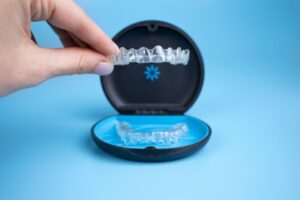
Invisalign is a popular and effective way to straighten teeth using clear, removable aligners. While it offers many advantages—such as comfort and convenience—it’s important to understand that, like any orthodontic treatment, there can be potential complications. The good news is that most issues are minor and can be managed with proper care and guidance from your dentist.
1. Discomfort and Pressure
When you first start wearing Invisalign aligners—or switch to a new set—you may experience mild discomfort or pressure. This is a normal part of the process, as your teeth are gradually being moved into alignment.
The discomfort usually fades within a few days. Over-the-counter pain relievers and sticking to soft foods during adjustment periods can help ease the transition.
2. Speech Changes
Some patients notice a slight lisp or change in speech when they first begin wearing aligners. This happens because your tongue is adjusting to the presence of the trays in your mouth.
Fortunately, this is typically temporary. Most people adapt within a few days to a week as they get used to speaking with the aligners in place.
3. Poor Compliance Issues
Invisalign requires commitment to be effective. Aligners need to be worn for 20 to 22 hours per day, and not wearing them as directed can delay results or lead to less effective treatment.
Skipping wear time or forgetting to switch aligners on schedule can cause teeth to shift improperly, potentially extending your treatment timeline.
4. Risk of Tooth Decay or Gum Issues
Because Invisalign aligners fit snugly over your teeth, they can trap food particles and bacteria if proper oral hygiene isn’t maintained. This can increase the risk of cavities or gum irritation.
Brushing and flossing after meals before reinserting your aligners is essential to keeping your teeth and gums healthy throughout treatment.
5. Lost or Damaged Aligners
Since Invisalign aligners are removable, they can be misplaced or accidentally thrown away. Damaged aligners may not fit properly, which can disrupt your treatment progress.
Keeping your aligners in their case when not in use and handling them carefully can help prevent this issue.
6. Not Ideal for Complex Cases
While Invisalign is effective for many alignment issues, it may not be the best option for more complex orthodontic problems, such as severe crowding or significant bite issues.
In these cases, your dentist or orthodontist may recommend alternative treatments to achieve the best results.
Most Invisalign complications are minor and temporary, especially when patients follow their dentist’s instructions closely. Regular check-ins with your dental provider also help ensure your treatment stays on track. By understanding potential challenges and staying consistent with your care routine, you can enjoy a smooth Invisalign experience and achieve a straighter, healthier smile with confidence.
About the Author
Dr. Shahram Modarres has more than 20 years of experience practicing dentistry. He achieved his dental doctorate at the New York University School of Dentistry. Since then, he has attended countless continuing education courses to stay up to date with new developments in the field. Some of the services he focuses on most include dental implant placement/restoration, occlusion treatment, and sleep dentistry. Dr. Modarres is also a member of organizations including the American Dental Association and the Maryland State Dental Association. If you’re interested in Invisalign, book online or call (301) 816-9400.