

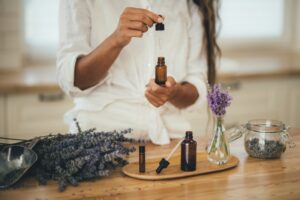
Sleep apnea is a serious condition that affects millions of people, causing repeated breathing interruptions throughout the night. This often leads to daytime fatigue, loud snoring, and long-term health complications if untreated. Because traditional treatments like CPAP machines and oral appliances can feel uncomfortable for some patients, many people wonder whether natural remedies, such as essential oils, can help. While essential oils may offer some comfort and relaxation, it’s important to understand their limitations when it comes to treating sleep apnea.
Essential Oils May Support Relaxation, Not Cure Sleep Apnea
Essential oils like lavender, eucalyptus, peppermint, and chamomile are widely used for their calming and soothing properties. They can help reduce stress, promote relaxation, and make it easier to fall asleep. However, relaxation is not the root issue behind sleep apnea. Sleep apnea occurs when the airway becomes blocked or collapses, or when the brain fails to send proper breathing signals. Essential oils cannot physically prevent airway obstruction or correct a neurological issue, meaning they don’t treat the condition directly.
They May Improve Sleep Quality in Mild Cases
While essential oils cannot cure or reverse sleep apnea, some people with very mild symptoms may find that using them enhances their overall sleep quality. For example:
- Lavender may help calm the nervous system and reduce nighttime restlessness.
- Peppermint or eucalyptus may help open nasal passages if congestion worsens snoring.
- Chamomile may ease anxiety before bed and support a smoother transition to sleep.
These benefits can make nighttime more comfortable, but they do not replace medical treatment for sleep apnea.
Essential Oils Should Only Be Used as a Complementary Approach
If you enjoy essential oils, they can certainly be part of a relaxing bedtime routine, whether diffused in the air, added to a warm bath, or used in a pillow spray. However, relying on essential oils alone can delay necessary treatment and lead to serious health issues such as high blood pressure, heart disease, or chronic fatigue.
When to See a Professional
If you snore loudly, wake up gasping for air, or feel exhausted despite a full night’s sleep, it’s important to speak with a sleep specialist or dentist trained in sleep apnea therapy. Medical treatment such as oral appliances or CPAP therapy addresses the actual cause of sleep apnea, while essential oils can offer comfort alongside proper care.
Essential oils can enhance relaxation and improve bedtime routines, but they are not a solution for sleep apnea. For true relief and long-term health protection, professional treatment is essential.
About the Author
Dr. Shahram Modarres has more than two decades of experience practicing dentistry. He earned his dental doctorate from the New York University School of Dentistry and has since amassed countless hours of continuing education courses to stay up to date with the latest developments in his field. Some services he focuses on include dental implants, occlusion treatment, and sleep dentistry. Dr. Modarres is currently a member of the American Dental Association and the Maryland State Dental Association. If you’re in need of sleep apnea treatment, we can help restore your precious sleep. Schedule your appointment online or call (301) 816-9400.